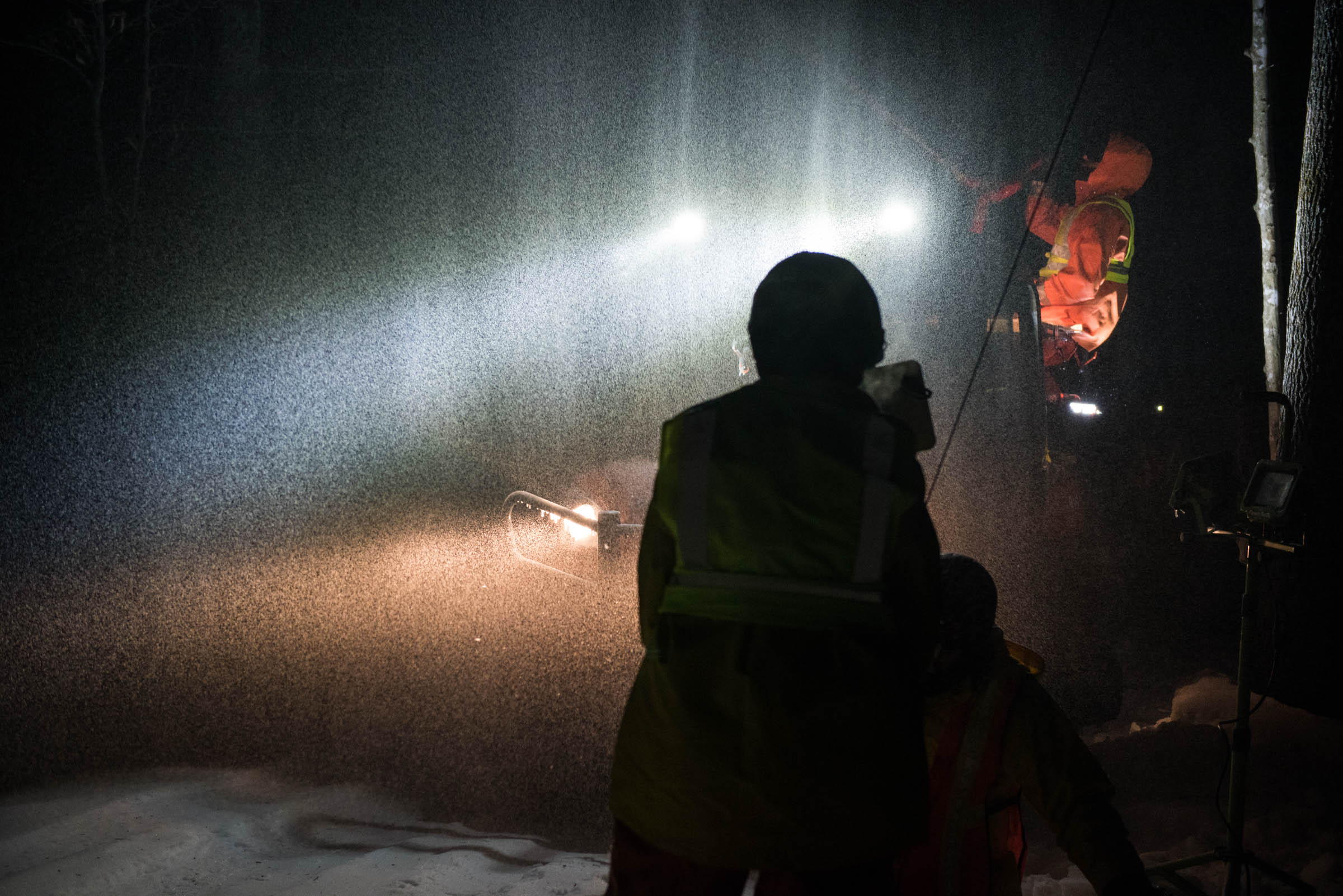
Without the voice of science and fact-based research in our mainstream conversations, the noise and misinformation are far outshouting the data.
The days of scientists staying cloistered in their labs with white lab coats on are over. Without the voice of science and fact-based research in our mainstream conversations, the noise and misinformation are far outshouting the data. How do editorial photographers, poets, illustrators, writers and others help cut through the noise and push science and art forward? A while back I was part of a small gathering of scientists, researchers and artists brought together to discuss better and more novel ways to connect the public with research and science going on across the country. Specifically, field stations that are working on long-term and large-scale experiments.
Science, Arts and Communications
Artists have been collaborating at Hubbard Brook Research Forest for about a decade. Many alumni of the artist-in-residence program came or called in for the meeting. Others making the effort and taking the time to attend and be able to share and inspire and be inspired by other artists. Most recently I made some images of Rita LeDuc and Rich Blundell while they were at Hubbard Brook, both were at the meeting talking about their art and how they are exploring new ways to reach new audiences in novel ways. It was great having a long conversation with Leah Wilson, she’s working out in the PNW on long-term projects and showing her work in public spaces taking data and nature’s structures and melding them into one massive work of art. Super cool to see the scale and creativity she is bringing to the art and science world.
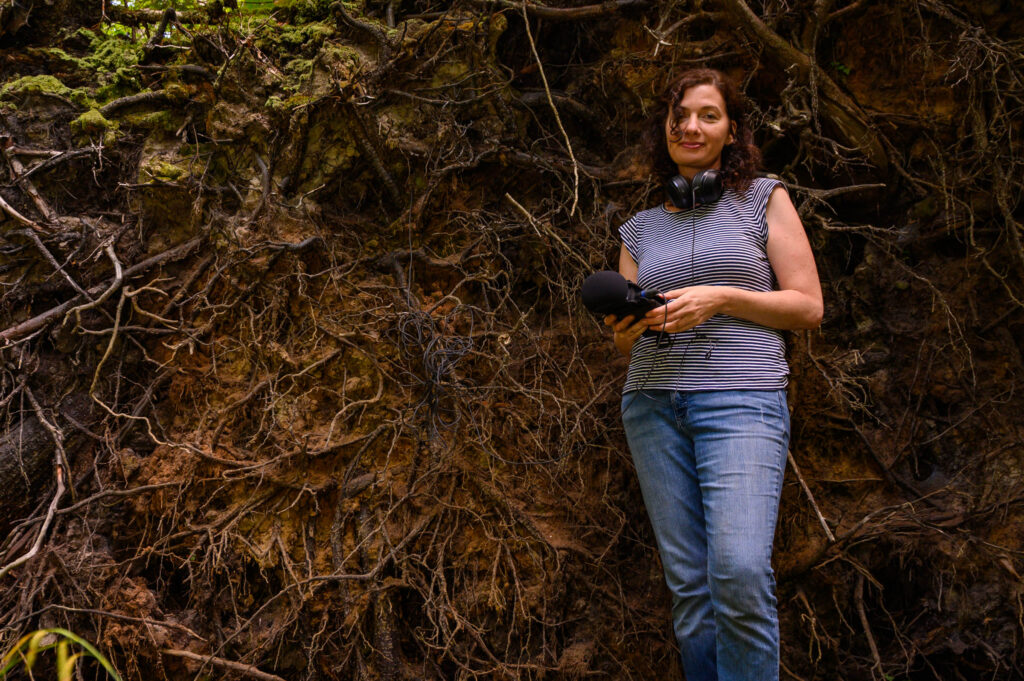
More than a few stories told that day involved the evolution of thoughts and projects based on the interactions between artists and researchers. Most attributed it to bringing a different perspective to a particular problem as well as providing deeper understanding. One story sticks with me. Nikki Lindt, makes art centered around the sounds she records under the surface of the forest. A scientist mentioned that there are horizon lines in the soils, and changes in chemistry or composition. When Nikki moved her microphone below certain horizons the sounds changed. Something obvious to science added a new level of expression to the art. There were other stories that went in the other direction as well going to show how much conversation and stories can add and change the outcome of projects in both science and art.
The combining of art and science is not a new way of communicating but it’s certainly becoming more and more critical as technology speeds up and AI becomes more prevalent. The voices of artists and scientists is quickly get downed by the constant churning out of “news, posts, and stories” by machines. The creative and novel concepts that are developed in collaboration among artists, researchers, and scientists hopefully will become a place where people can find facts, beauty and honest expression in an ocean of noise. Photography has always been an important part of telling these stories both from and editorial angle and most commonly internal publications and journals. As we all work to be heard through the clutter of the media landscape photography still holds can grab the attention of people as they scroll, perhaps getting them to stop and click and dive deeper into a topic.
Artists Links
Rich Blundell – Oika Rita LeDuc – ritaleduc.com Ben Consgrove – Bencosgrove.com Raisa Kochmark – Mondielle Nikki Lindt – Nlindt.com Nancy Lowe – Nancylowe.studio Leah Wilson – Leahwilson.com Rebecca Schultz – Rebeccaschultzprojects.com Michael Casey Website – Dartmouth Joe Klementovich – Klementovichphoto.com